I wrote the chastisement prayers for the Εὐχολόγιον τῆς Παραδόσεως τοῦ Ἀστερόεντος Ταύρου (The Prayer Book of the Starry Bull tradition) because I want to make this an institutional part of the tradition. Ad hoc it has been from the beginning, and thank the Gods we haven’t had any serious problems or abuses of authority come up to test our commitment to principles such as transparency, accountability, isopoliteia, etc. but I don’t want to wait for a crisis to make it explicit. (The problems all occurred after I’d cut off contact and excised the individuals from the tradition’s official lineage. Doesn’t mean I feel any less responsible as these had been former students and associates.)
Many new religious movements spend enormous energy explaining who may enter the mysteries. Much less attention is given to how those entrusted with the mysteries are themselves judged.
The Orphic gold tablets are concerned with the soul’s fitness before the Gods; the Starry Bull should be equally concerned with the fitness of its teachers and initiators.
That’s why I included this line:
The mysteries are never the possession of the initiator.
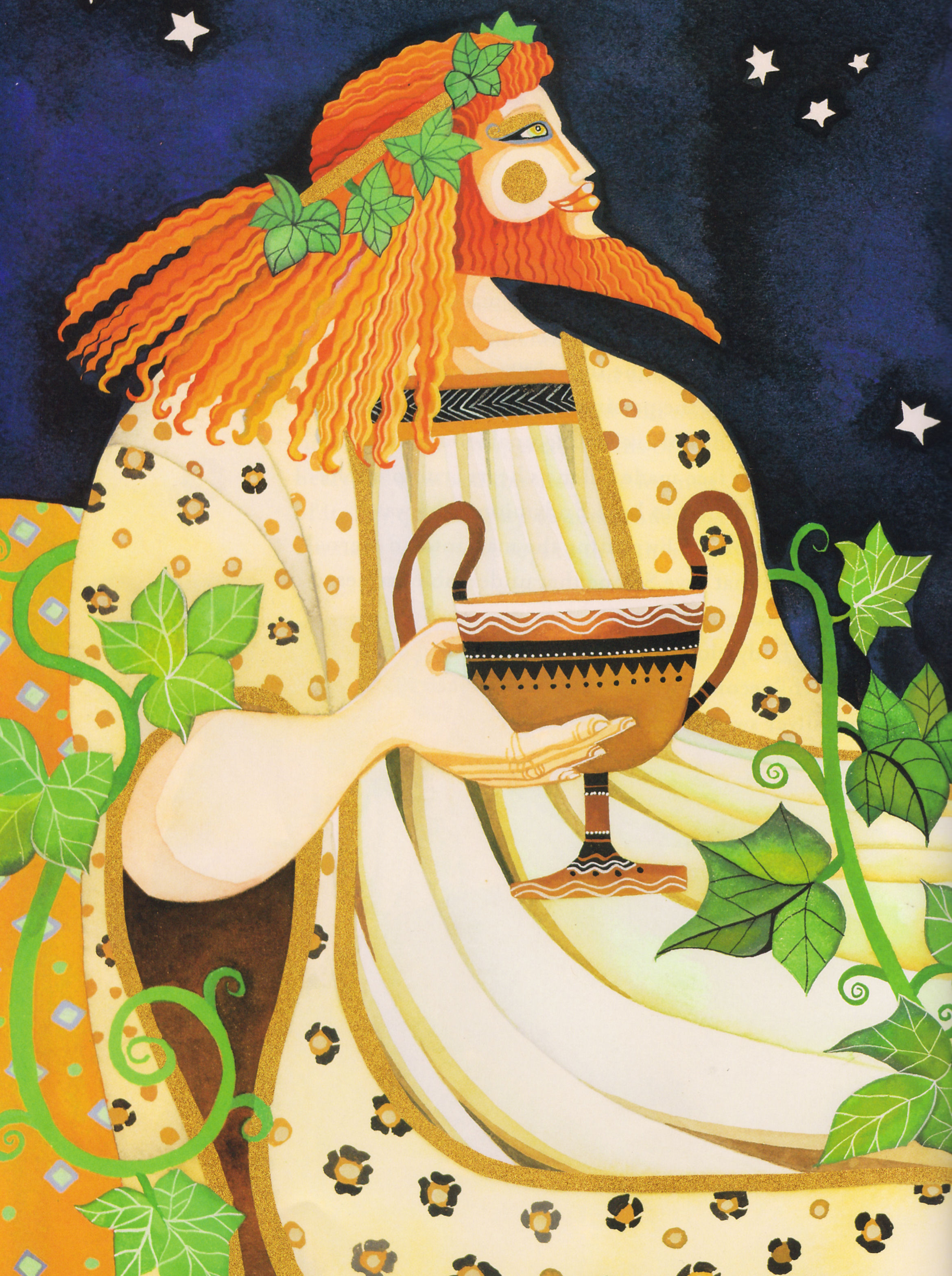
If every Orpheotelest is taught from the beginning that they are not the source, but the conduit; not the wine, but the mixing-bowl, then any attempt to build a personality cult is already revealed as a theological contradiction.
Thus humility and accountability should be structural rather than merely aspirational.
Our sacred stewards must be taught that:
No initiation grants moral exemption.
The greater the authority, the greater the accountability.
Every office exists to serve the God, never the office-holder.
The mysteries are diminished whenever they are used to acquire power, wealth, or sexual access.
A teacher who seeks devotion to himself has already ceased to teach Dionysos.
Those aren’t merely ethical rules. They become theological claims. Abuse is not just “bad behavior”; it is a form of impiety because it attempts to redirect reverence that belongs to the God.
A Boukolos or Orpheotelest should fear one thing above all: not criticism, not loss of status, but becoming so convinced of their own righteousness that they no longer welcome correction. A healthy tradition would cultivate the opposite disposition. It would teach that rebuke, confession, repentance, and restoration are marks of fidelity, not weakness.
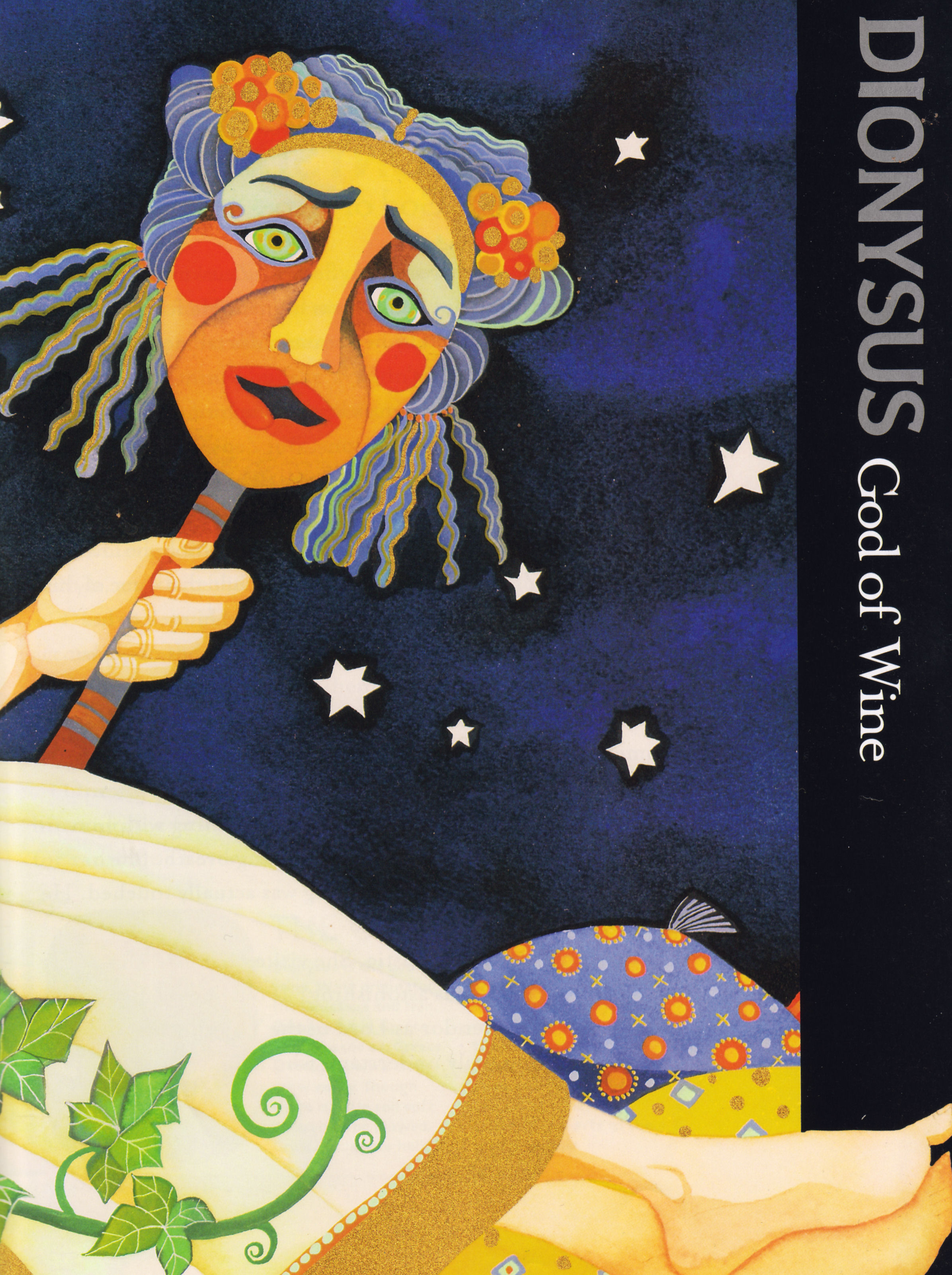
And that’s deeply Dionysian. Dionysos is the God who unmasks. Masks are part of his symbolism, but they are not there to conceal forever. They are there to reveal what lies beneath. A leader who cannot endure being unmasked is unfit to wear the mask in the first place.
From the beginning I have envisioned the Starry Bull as a living tradition rather than a reconstruction, one with training manuals, stages of formation, and a long path before someone becomes a Boukolos or Orpheotelest. Thus far all of this has been communicated to the aspirants through a variety of methods during the training process, but I think I need to go farther. After I finish the series of Holy Words books I’m going to write a Rule for Orpheotelestai—something akin to a monastic regula or a rabbinic code of conduct. Not just prohibitions, but a positive vision of character: humility, transparency, financial integrity, boundaries with students, accountability to peers, mandatory reporting where appropriate, and a clear process for investigation, removal from office, repentance, and, where possible, restoration. A tradition often becomes what it formalizes.
One final thought. In the chastisement prayer I implore Dionysos to never stop correcting his servants. Human communities need to embody that same principle. If the only one who can rebuke an Orpheotelest is Dionysos, abuse will eventually flourish because people will claim, “The God approves.” While this can always be challenged through divination that requires the mantis or diviner to be a respected and trusted figure within the community. And how is this determined if the norms and laws of the tradition are not made clear and accessible. A healthy tradition makes divine correction visible through human means: trusted peers, communal discernment, transparent procedures, and the willingness to remove someone from office when they betray the trust placed in them. That doesn’t diminish the sacredness of the mysteries. It protects them.
Fuck. The more I think about it the more I realize this needs to be included in the Hieros Logos volume. Guess I better get writing.